Climbing El Capitan
April 2021How do you mentally prepare climbing a 3000 feet wall; without a rope?
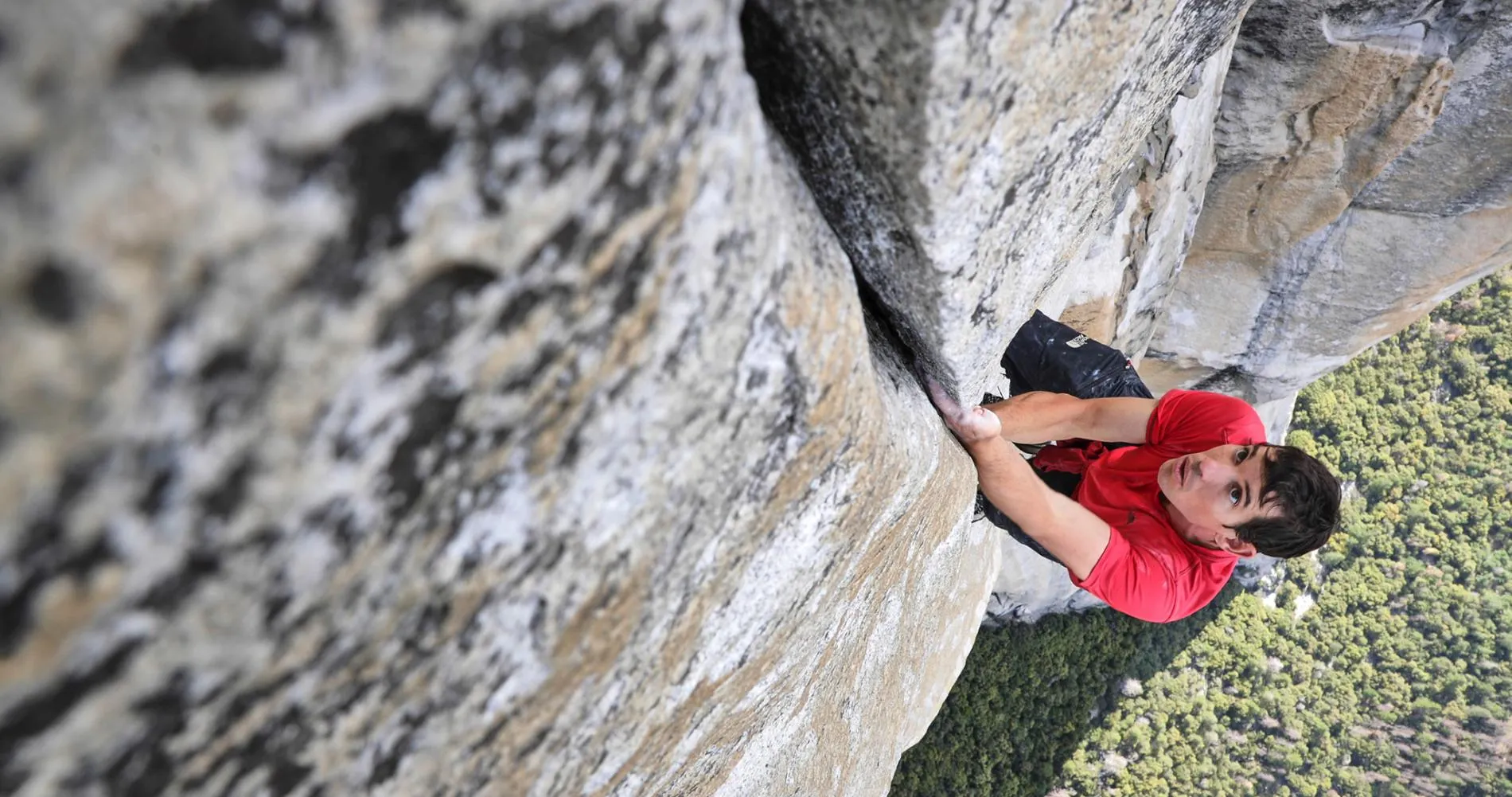
Source: Alex Honnold
Alex Honnold, became the first ever climber to free solo El Capitan, in Yosemite, USA.
In climbing world, Free Soloing is a highly technical climbing type where climbers (or free soloists) climb alone without ropes or harnesses.
Yes, you’ve read that right; he has no protective equipment. Only thing he has along him while free soloing is a good old chalk bag.
The National Geographic Documentary “Free Solo” where he was followed for two straight years; have a really bittersweet taste. It almost feels like viewer’s ability to read Alex’s mind is too good to be true. Or maybe, he is just one of the most straightforward people in the world. In the ruthless process of preparation, you witness the hardships he’s going through.
Let alone attempting, even planning to make this climb a reality; can be seen as madness to many. When he was asked, Alex explained it pretty simply:
After countless times of practice, it took Alex 4 hours to free solo El Capitan; with a mastered climbing route.
He had to execute the plan perfectly.
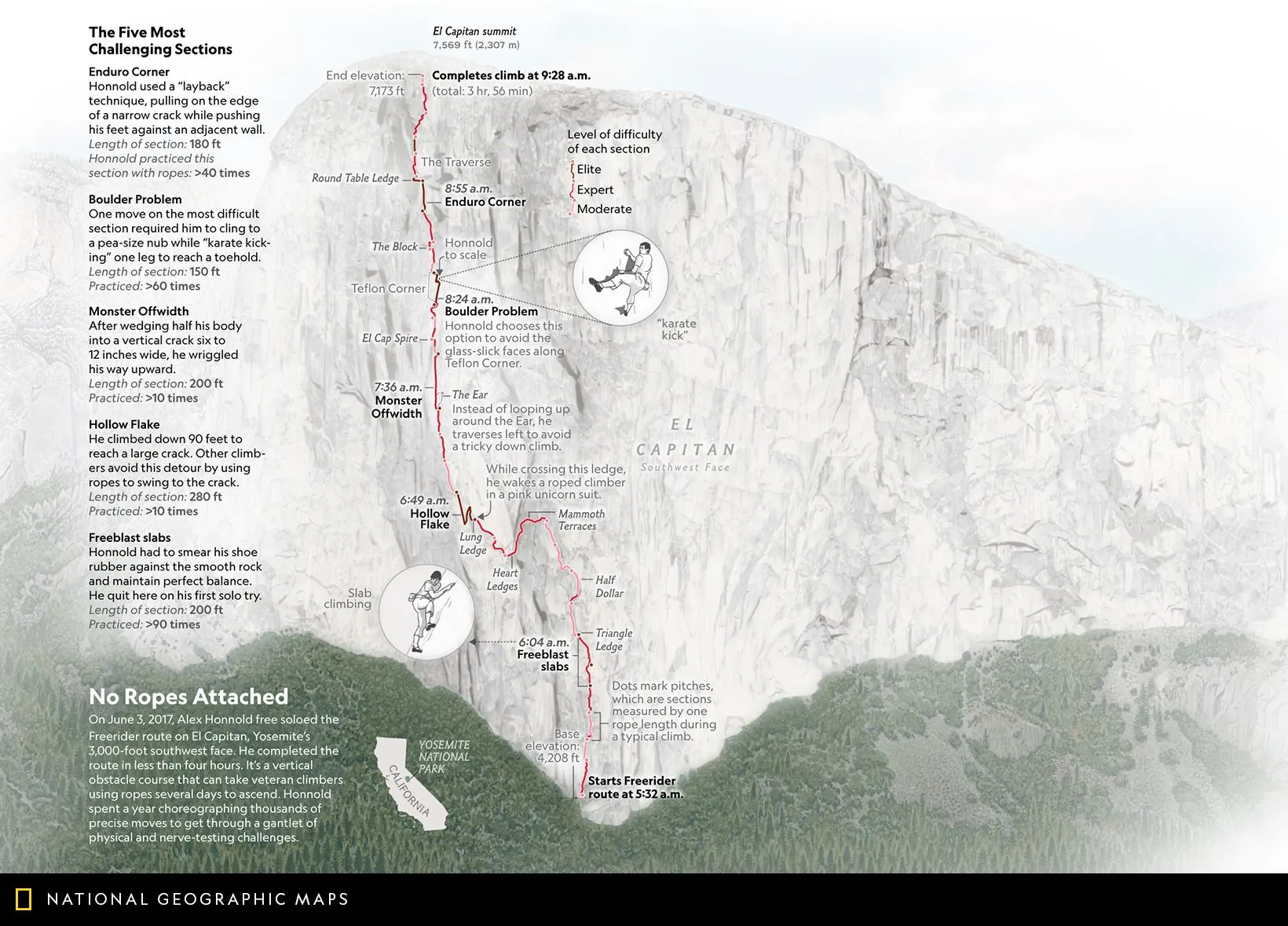
Source: Nat Geo Maps
“There’s been a lot of speculation about how I deal with fear or how I’m able to free solo.” says Alex Honnold in Free Solo. So then he decided to get an MRI.
This MRI is performed in an attempt to solve the mystery of how Honnold is able to calmly scale a three thousand feet cliff without any ropes or aids, without apparently suffering the terror that would afflict most human beings engaged in any task that approximated Honnold’s feat.
The results showed that, it’s not that he doesn’t ever experience fear, rather, he has exposed himself to so many dangerous situations throughout his climbing career that he has conditioned himself, learning how to stay calm in spite of the circumstances.
It’s clear from Alex’s brain scans that, with enough exposure to scary situations, you can desensitize yourself to the fear response from your amygdala.
When you do the scary thing and everything works out ok, meaning you’re still alive or no disaster happened in your life, you can use the experience as a new reference point to tell your brain not to get so worked up the next time you are facing scary circumstances.
Maybe not at Alex’s level but, every positive change we go through in our life, requires an adaptation process.
With the same kind of perspective, we can unlock some parts of life that we’ve never experienced.
Everything outside of our comfort zone, involves self-belief, knowing we have what it takes to walk the path less traveled.
Or in this case, less climbed.
Climb on.